This post is in response to a post I received in my Linkedin feed (Ardtornish Estate) and also on my Face Book feed (Lismore).
As I am restricted in the legth of my replies to Linkedin I thought best to make a post with a link to it, so it is not really the normal post but it is the real world here on Rona.
These posts are interesting and I am always amused when they come up as they seem to be talking about something new. In my life there is nothing new about protecting one species by killing another. The state of play to-day means that more and more of the predators that were routinely killed by Gamekeepers, Shepherds and Wildlife managers are no longer under threat as they are protected. In my opinion for sure that is a good thing for species that were brought to the brink of extinction (or so it was said), but a lot of species that were thought to be in danger were far from it. Pine Martens for one have been around in numbers all of my life and certainly do great damage out there in the mainland forests. There is not a huge amount of difference between a Pine Marten and a Mink.
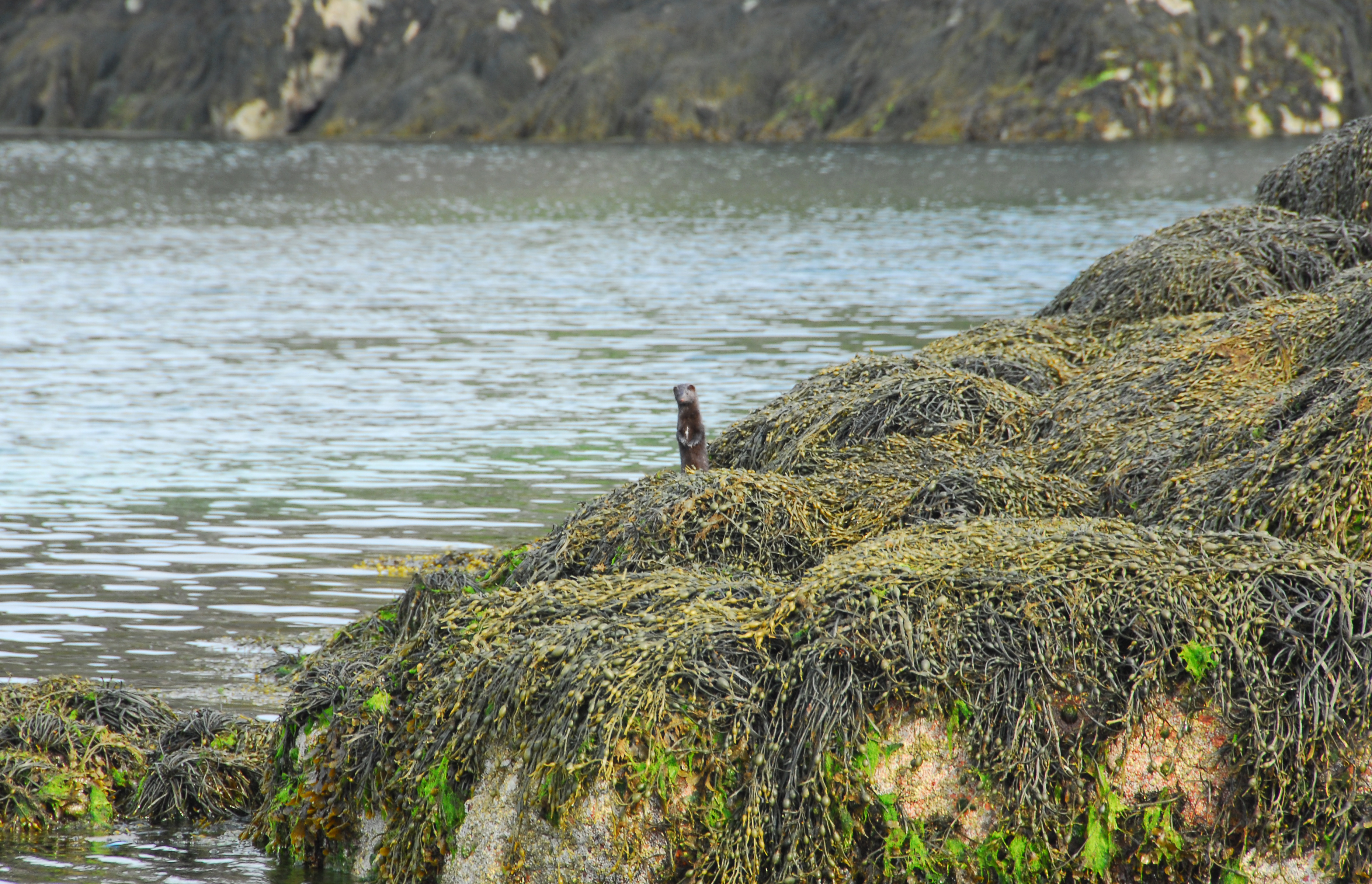
What we are talking about here though is Mink, American Mink and here is the Isle of Rona story about Mink.
Having spent some of my life in the gamekeeping world I am acquaint with the tools and knowledge, kindly passed onto my by an older generation that although they were trappers they had a knowledge of the coutryside that you would struggle to find to-day. I am forever grateful.
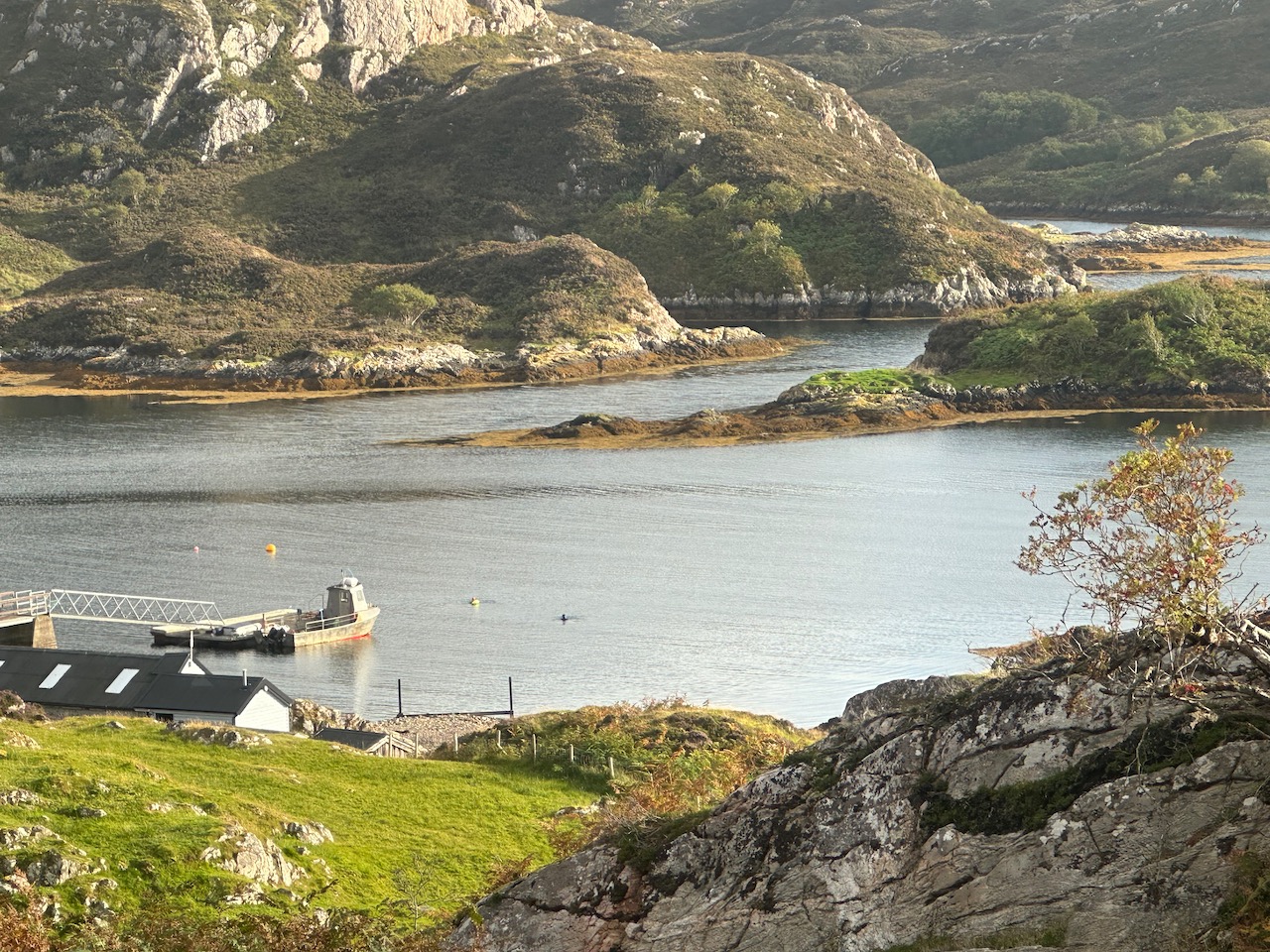
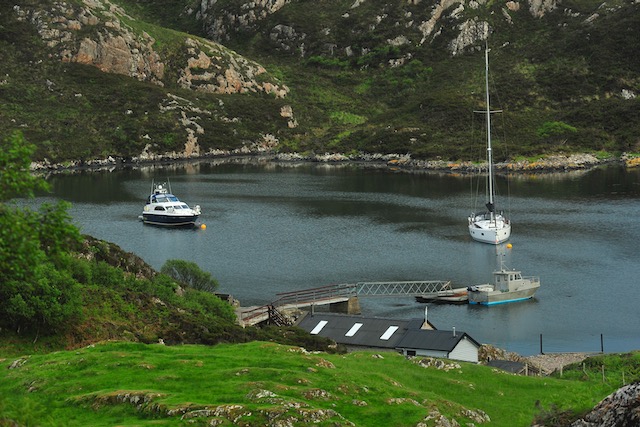
22 years ago I came to Rona having left the world of Country Sports behind, I had some traps in my effects but had no use for them. I understood the commitment to a trap line and had no further need to do that. That was until the day that good friend Muriel Banks off of Yacht Super G spotted a Mink swimming the whole length of the harbour here. 16 years or so ago. We had chickens here at that time and we were well aware that Mink would make a mess of them, so we took extra precautions but whatever we did we did in vain, although the Mink are not very bright when it comes to traps. But they are as good as any of their breed in getting into the smallest of spaces and taking advantage of any lapse of security. In one hour they can and did wipe out our hens, very traumatic for Lorraine and deeply annoying, no eggs!!
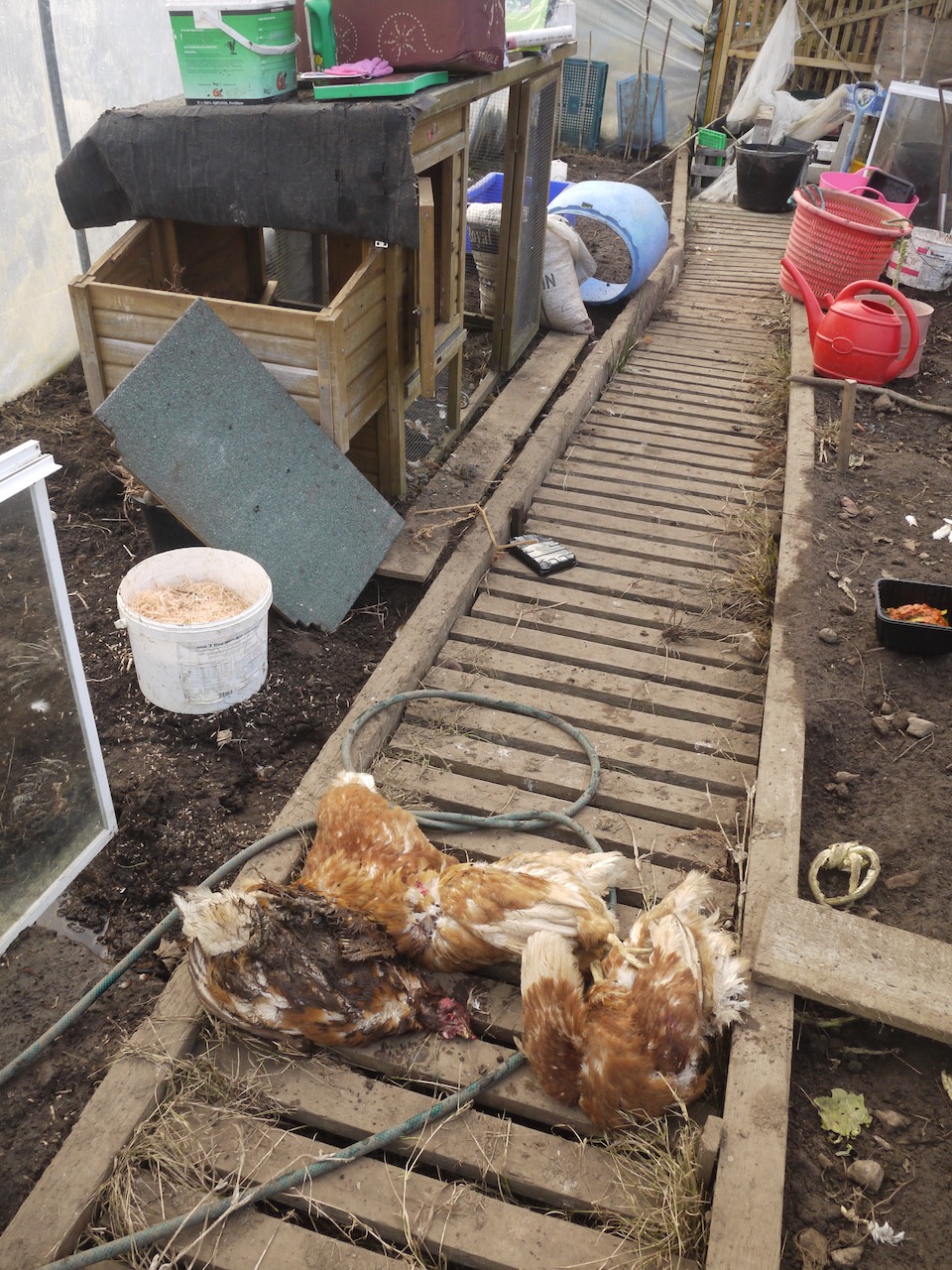

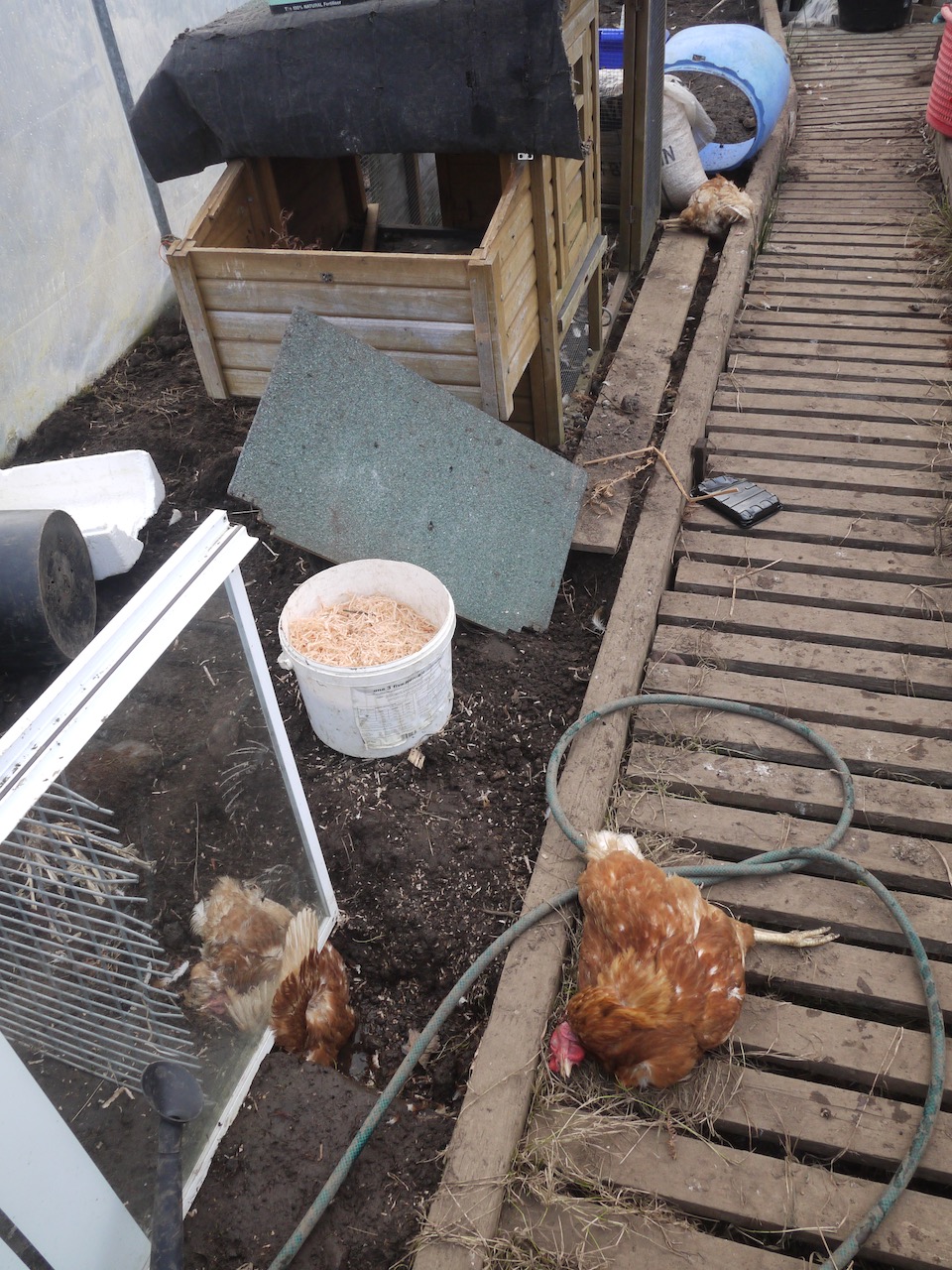
We took them into the polytunnel in their secure box but ‘forgot’ one night to shut them in, second time it happened in the polytunnel it happened in broad daylight one afternoon.
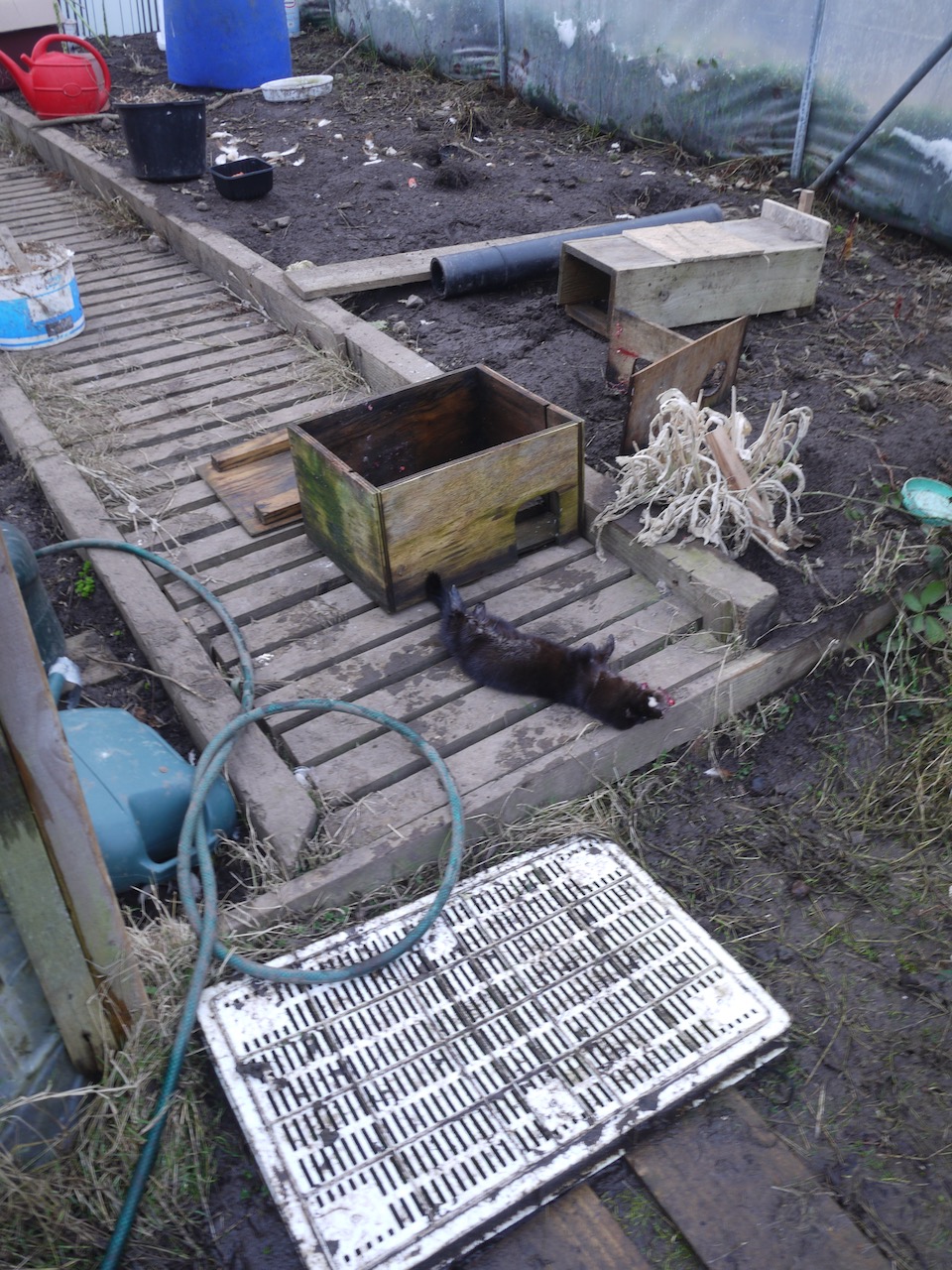
So it happened we lost 4 lots of good hens. Pretty upsetting and very disappointing. So the trapping started. With Fenn mark 3/4 traps and boxes. A few cages were bought but with no other Mustelidae here it was safe to set traps that would kill any mink venturing in. We have had no by-catch.
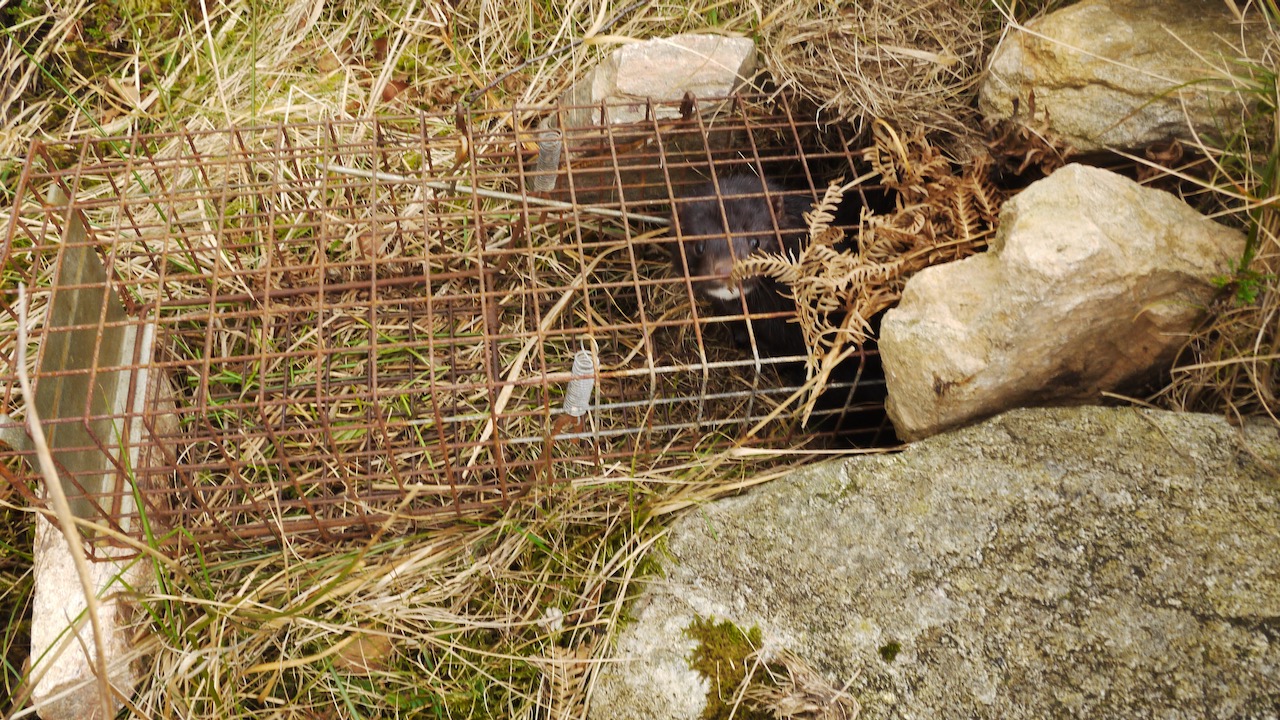


These trap boxes developed into the type used by the RSPB in Orkney after one of their trappers came here to work. Which led to many interesting insider conversations about that project which unforunately he would not commit to paper as some incidents would be pretty damaging for the RSPB, I had no reason to disbelieve him.
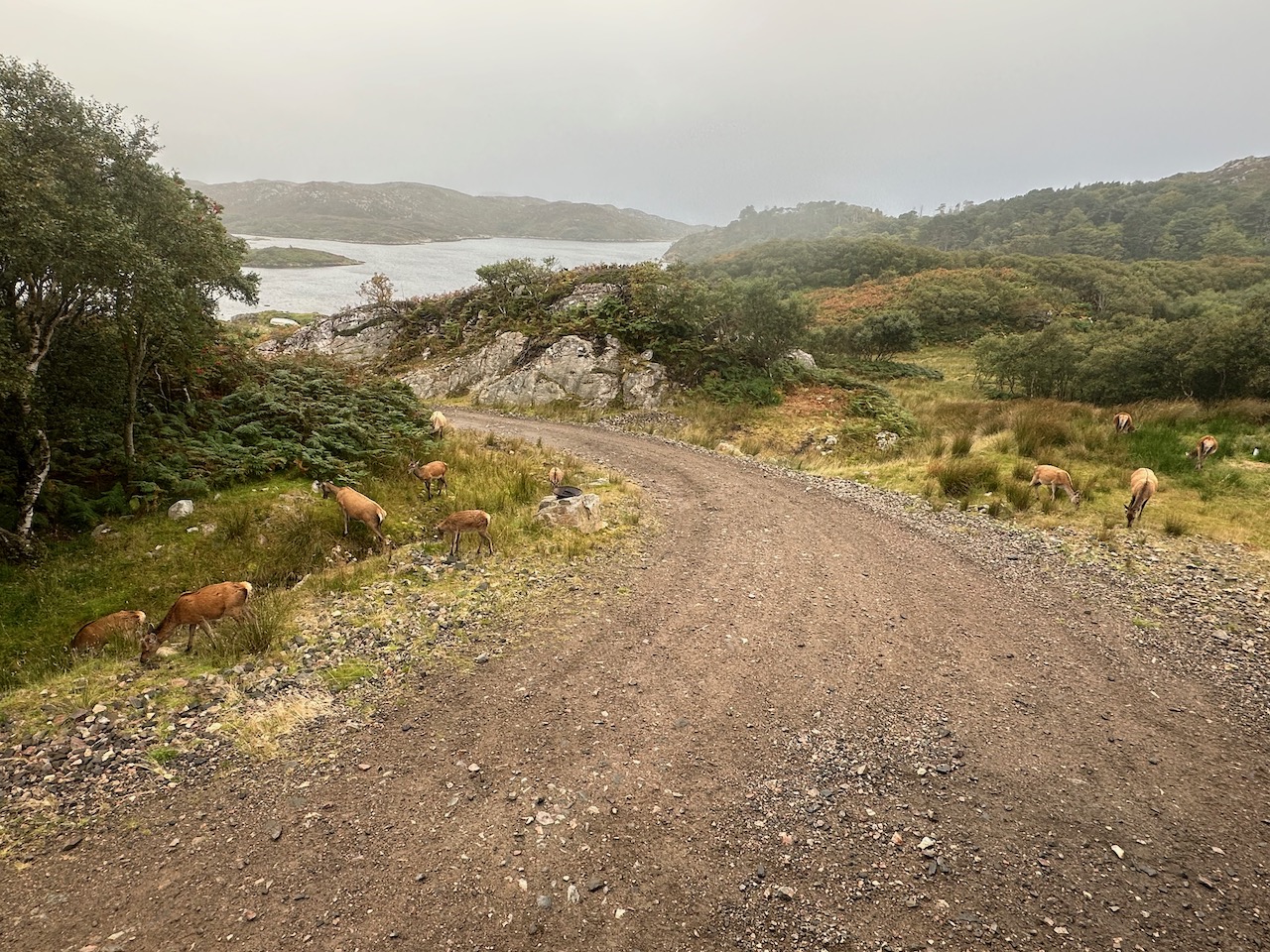
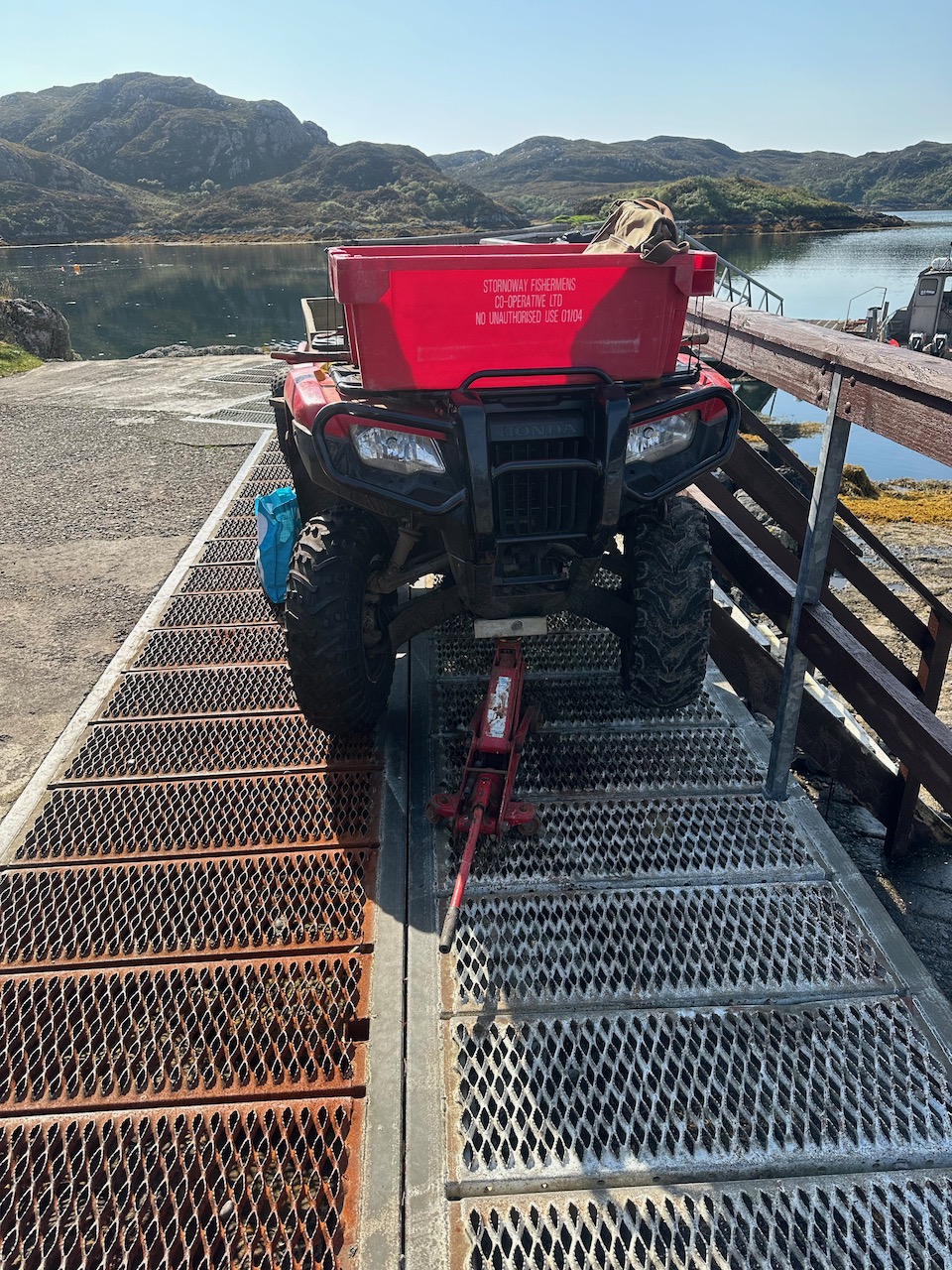
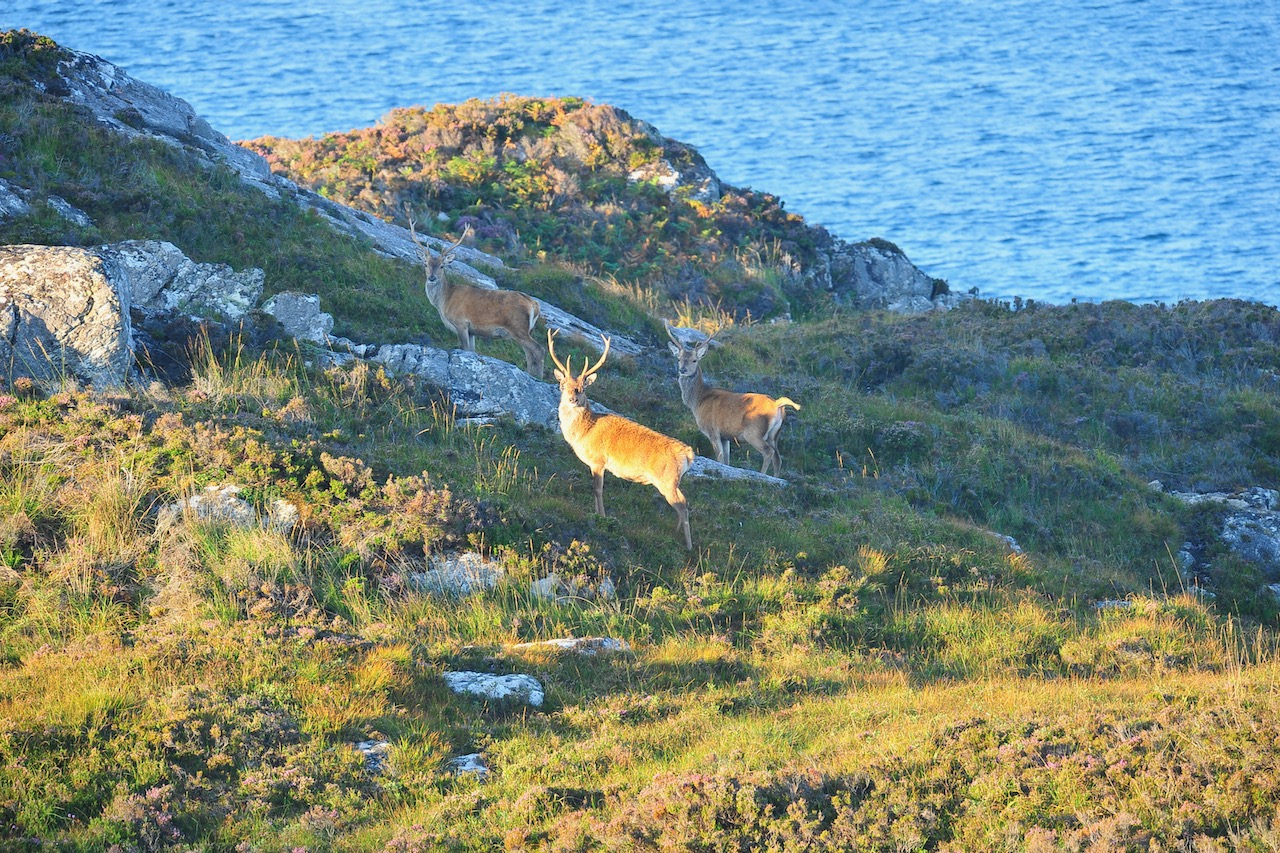
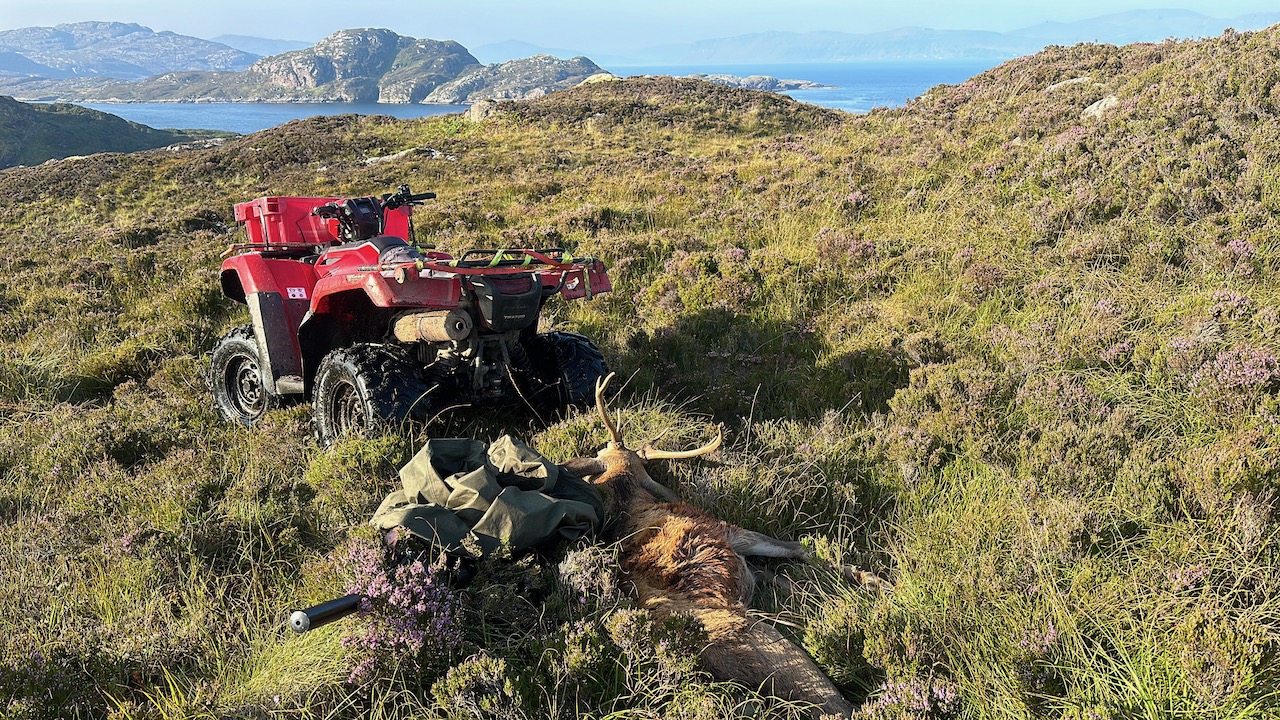
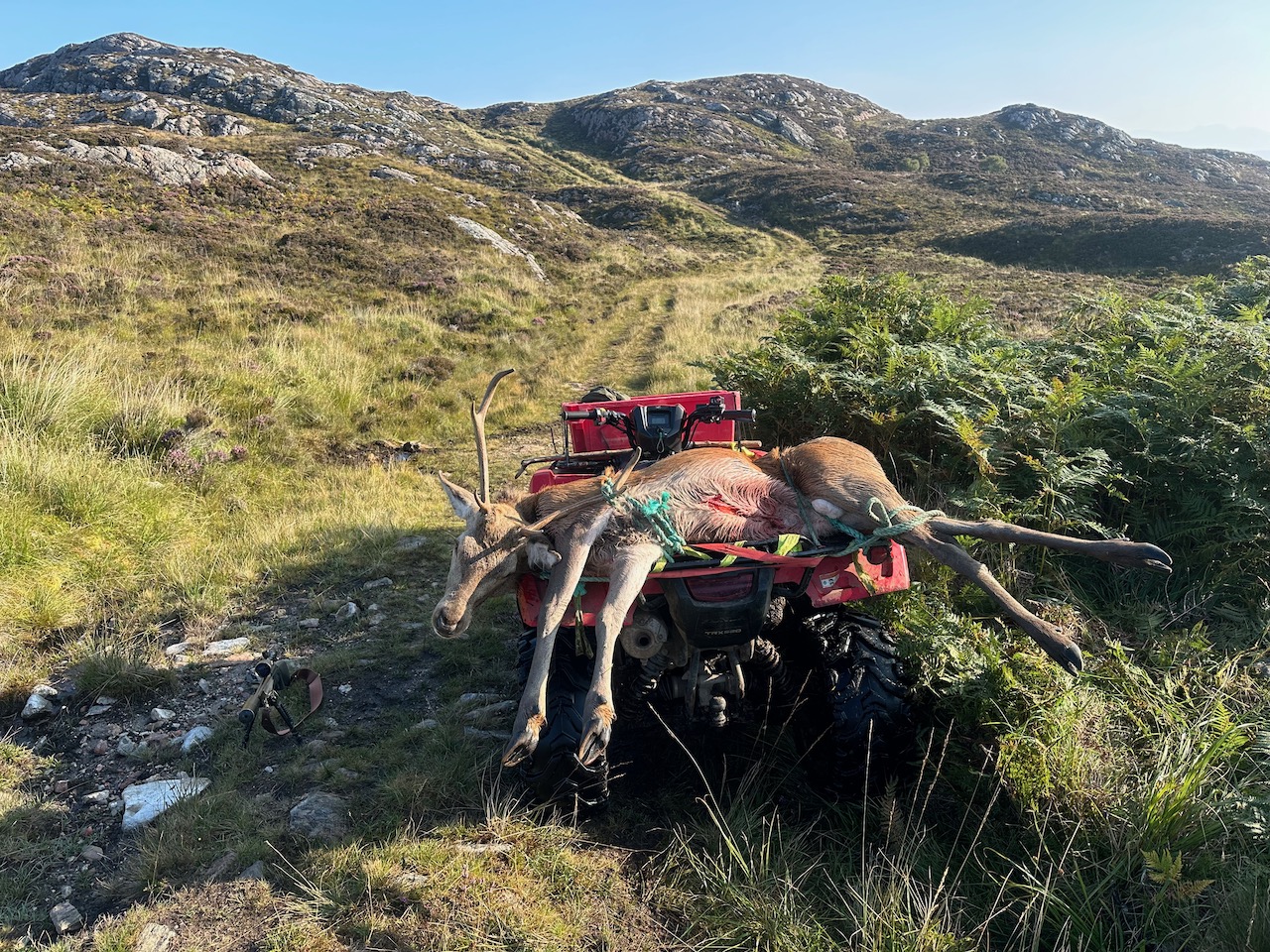
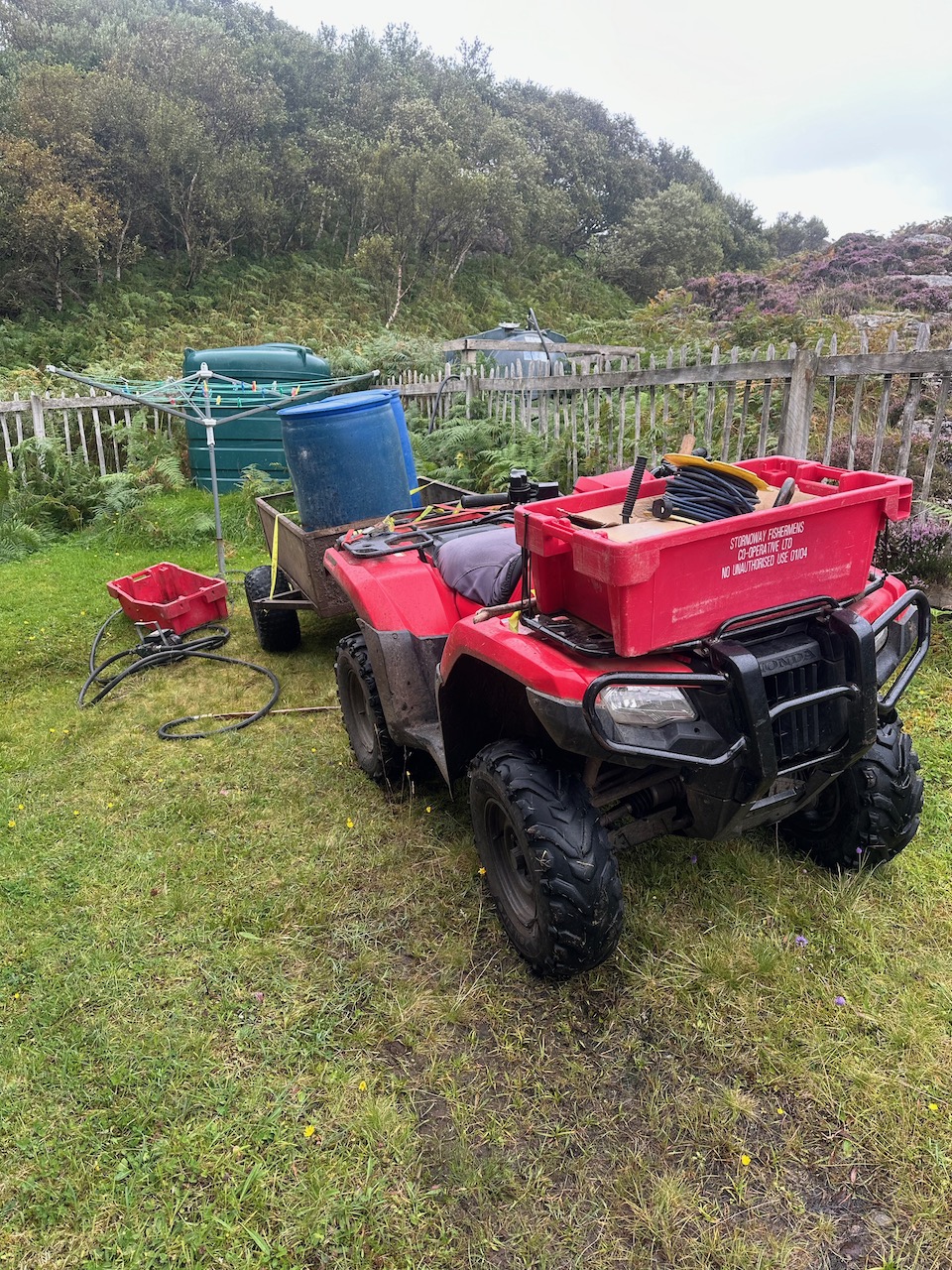
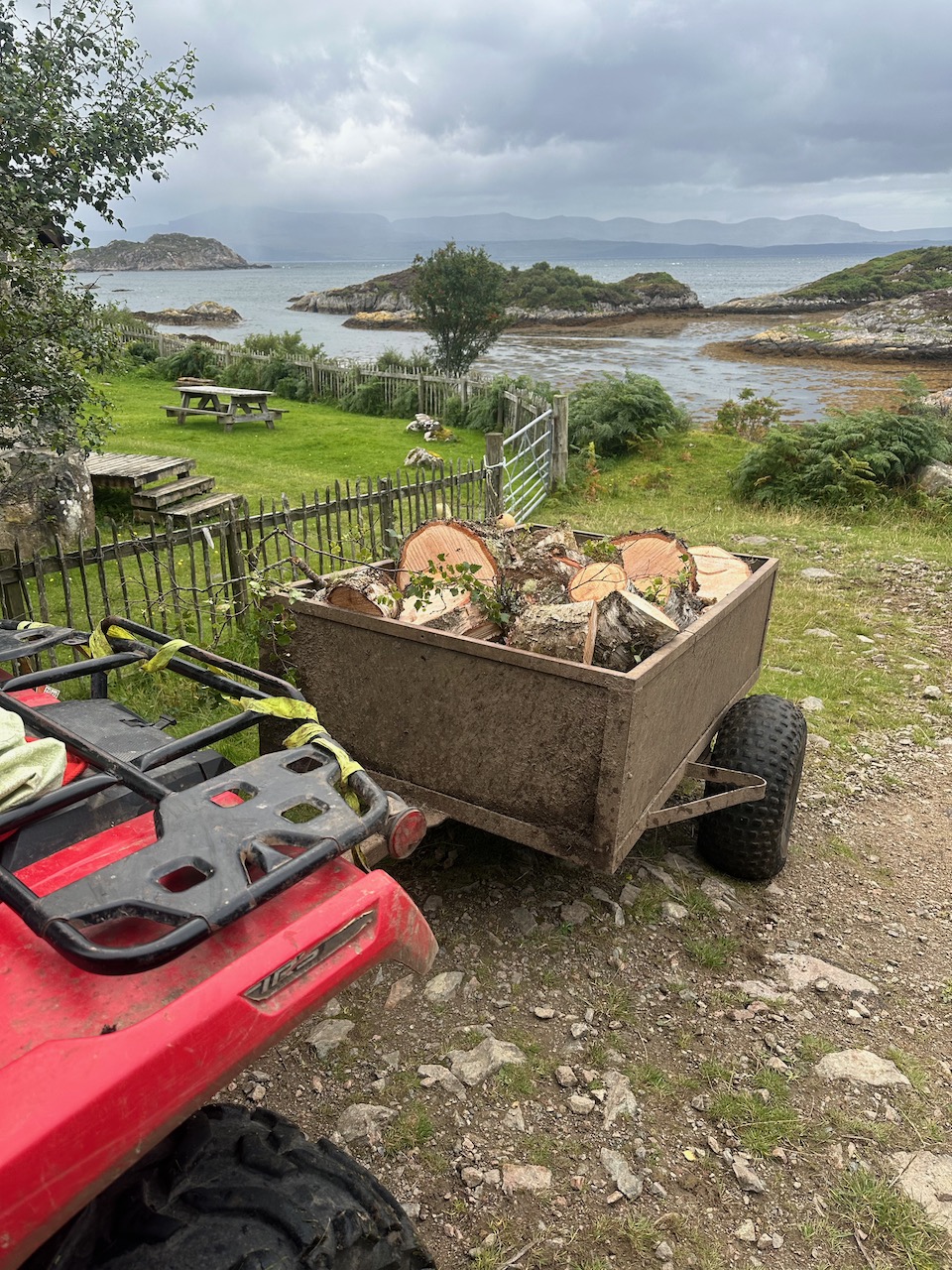
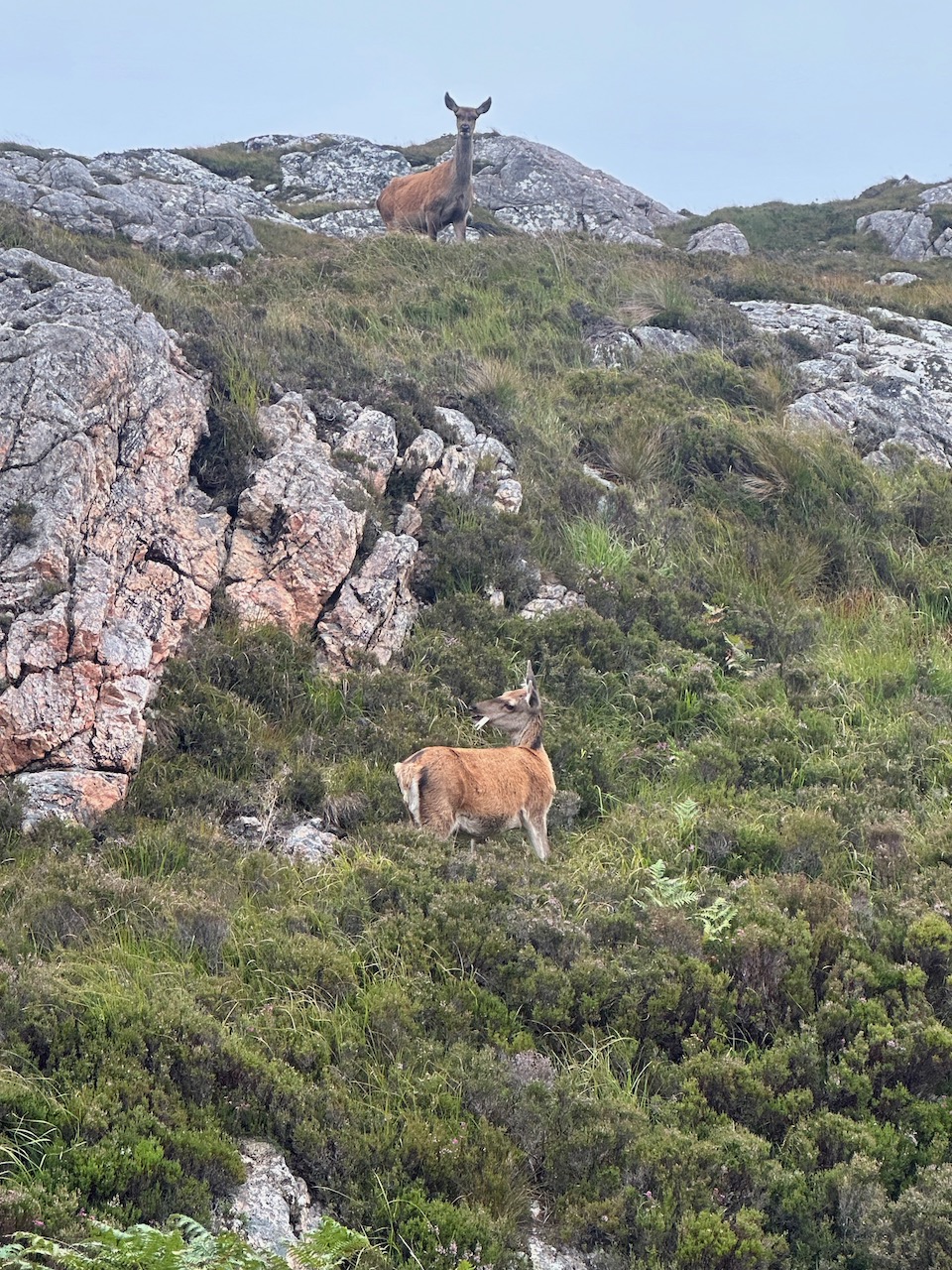
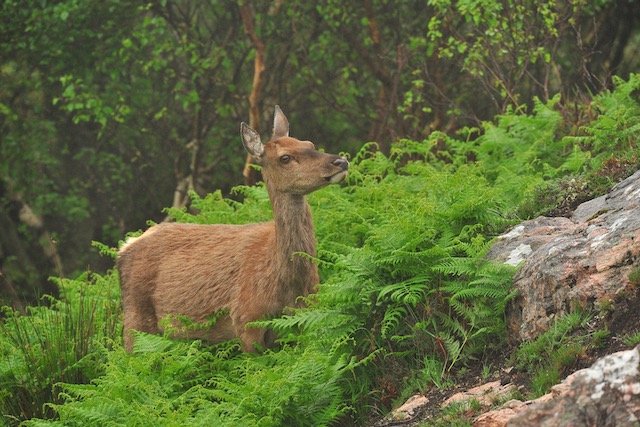
At our peak we had 20 traps set around Rona, but mostly in specific areas where we would either be daily going to and from or not far away from points of work, so could check them as is the law. This is a thankless task as there are many days when blanks are more common than kills, but we did initially have good success, this being a reflection on how far the population had grown and expanded. One positive is that on daily visits you get a real sense of what is about, the regular movements of the deer and other interesting moments such as the Otter walking down the path oblivious to me coming up behind her on my ATV.
I would set all the traps in one area, Big Harbour first, then move them after a month to Dry Harbour, the East coast, down South and in the various pockets of forests.


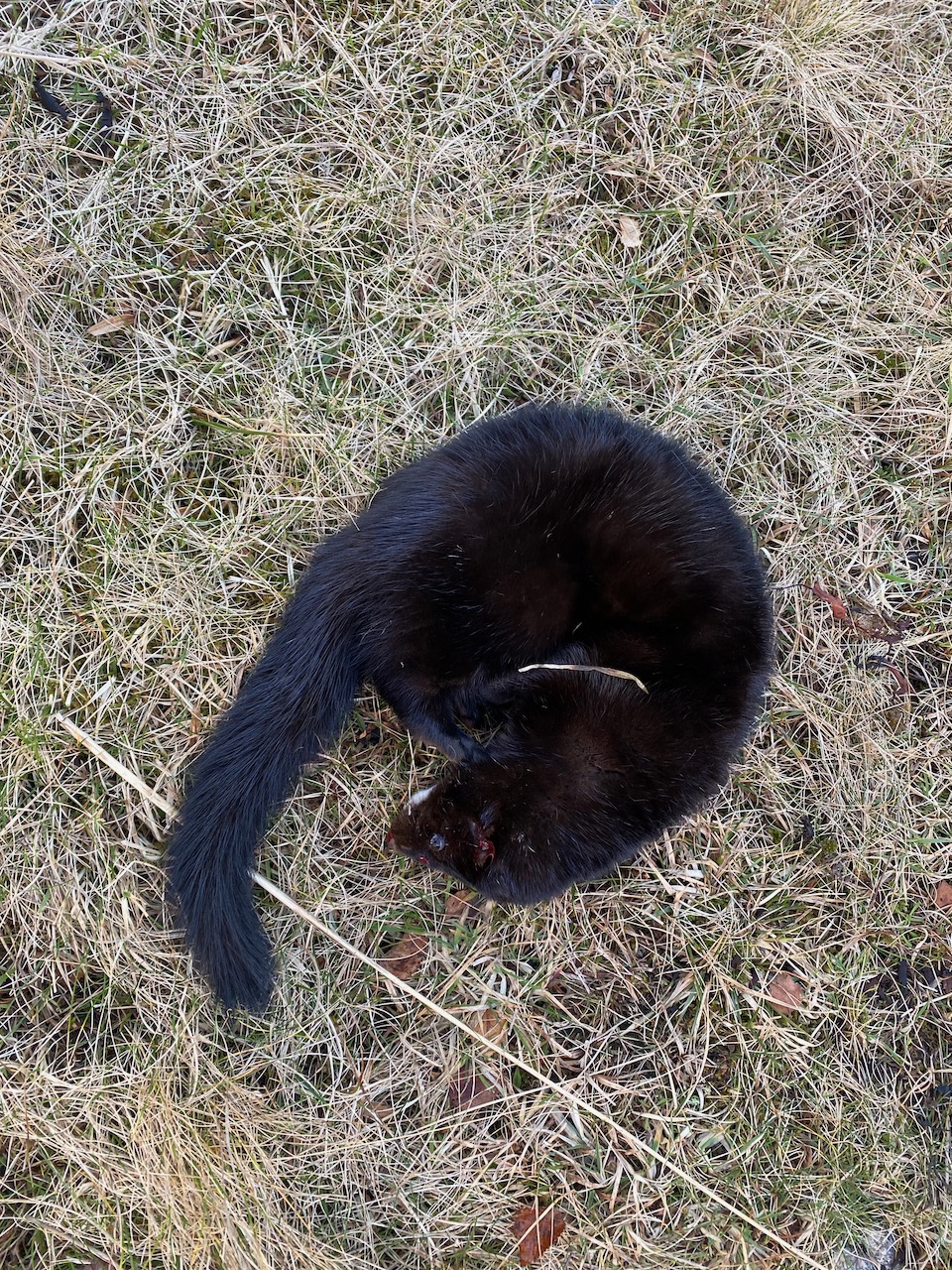
Sadly I did not take many notes about size, sex or colours in the early days and I suspect my records amount to entries in my diaries.
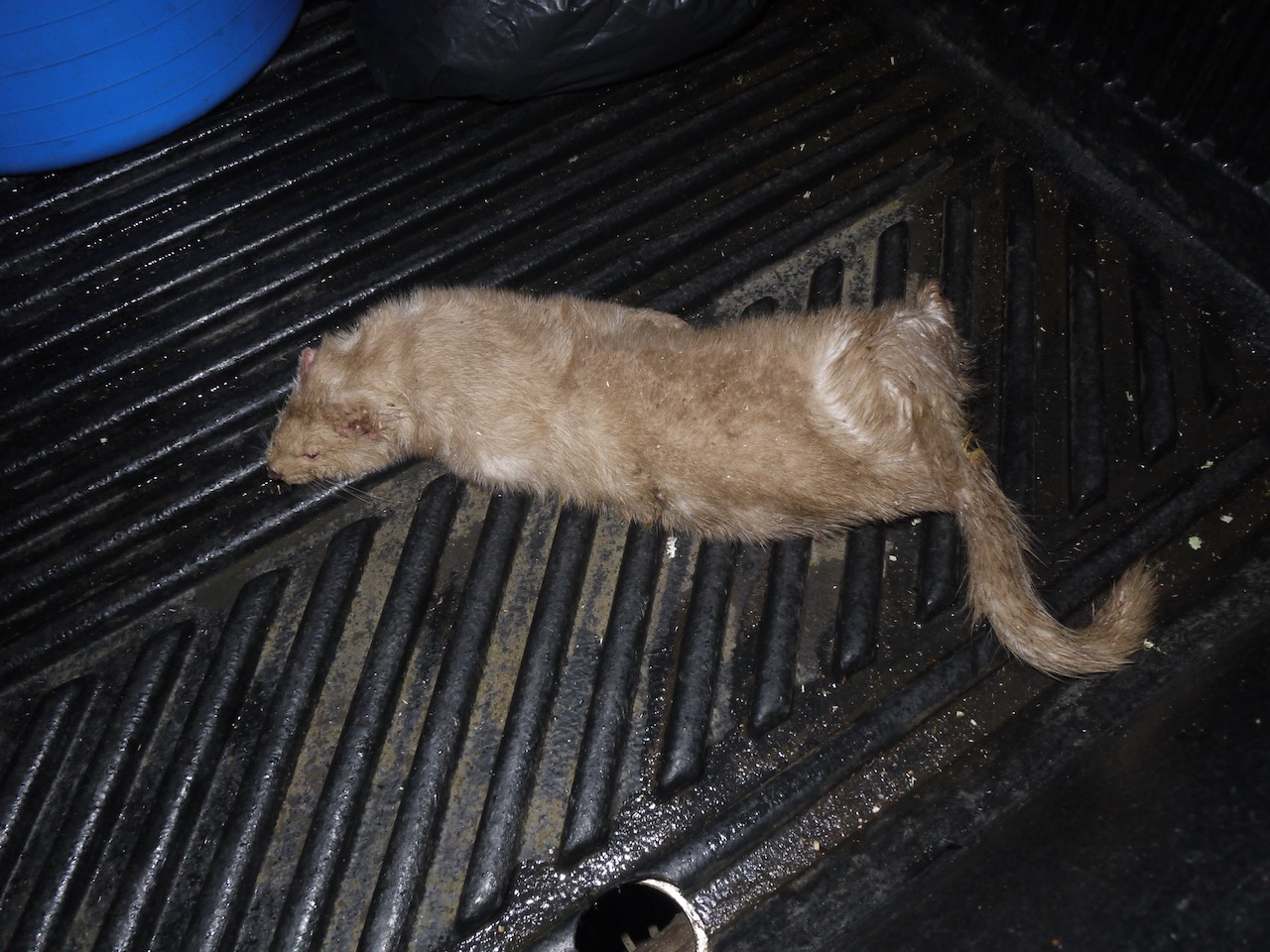
Of course we had our fair share of young Mink, being very immature and easy to catch, but we also had some very big males and on one occasion two males were caught in two Mark 6 Fenns together in the same box, both dead.


I would only be guessing at numbers but around 50 were caught in one year at its peak but thereafter numbers varied around the 20 mark. Latterly we are down to single figures but I have no doubt that the Mink still operate here and in around one months time I will set my trap line yet again as the hungry months start to come in.
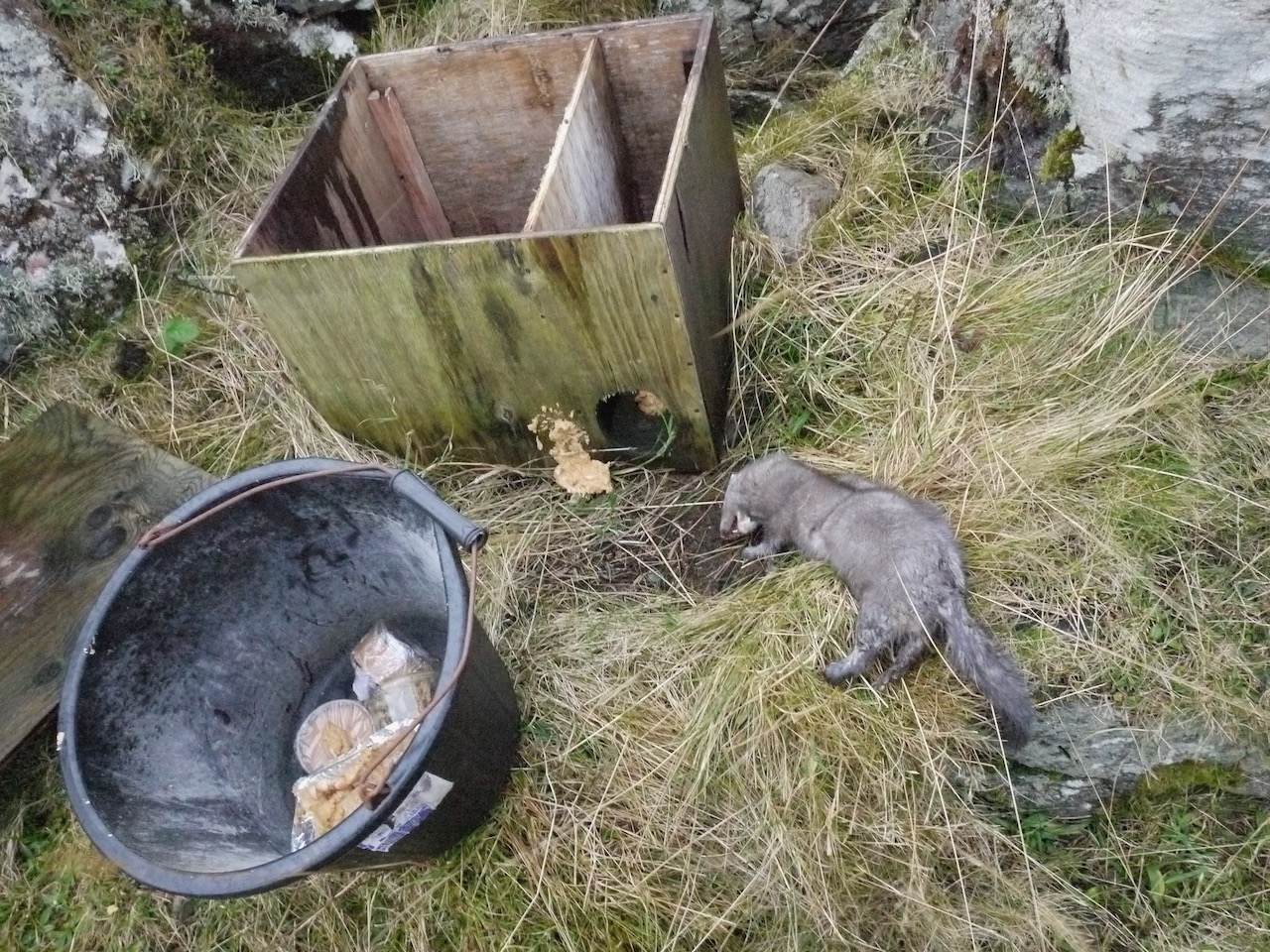
I understand I may not be allowed to use my old Fenn traps and have to go for DOC Traps (Very expensive), I do have some cage traps but do not find them as effective as my own Fenn set up.

I would like to think that I have made a difference to the avian population on Rona in my time. In my early days I would see nests of small birds torn apart and think that it was Hoodie Crows doing their dirty work but when I became aware of Mink and were first spotted on Rona everything fell into place. Although the crow family are smarter than most, some of the destroyed nests were in very odd places but not odd to a Mink.
I have no knowledge of the distribution of Mink in Scotland apaert froim the material on the internet but in coastal areas I suspect they are in huge numbers, they tried to eradicate them in the Outer Isles but I know from my contacts in Uist that they are still there, as an old Keeper once told me, there is no man alive that will kill the last Stoat, Weasel or Pine Marten.
On Rona we will continue to trap, thankfully we don’t have Pine Martens just Otters and they are not known for climbing trees but are opportunists and will snaffle birds eggs.
I will be very happy not to catch a Mink this winter but I will not think for one minute that we are Mink free.
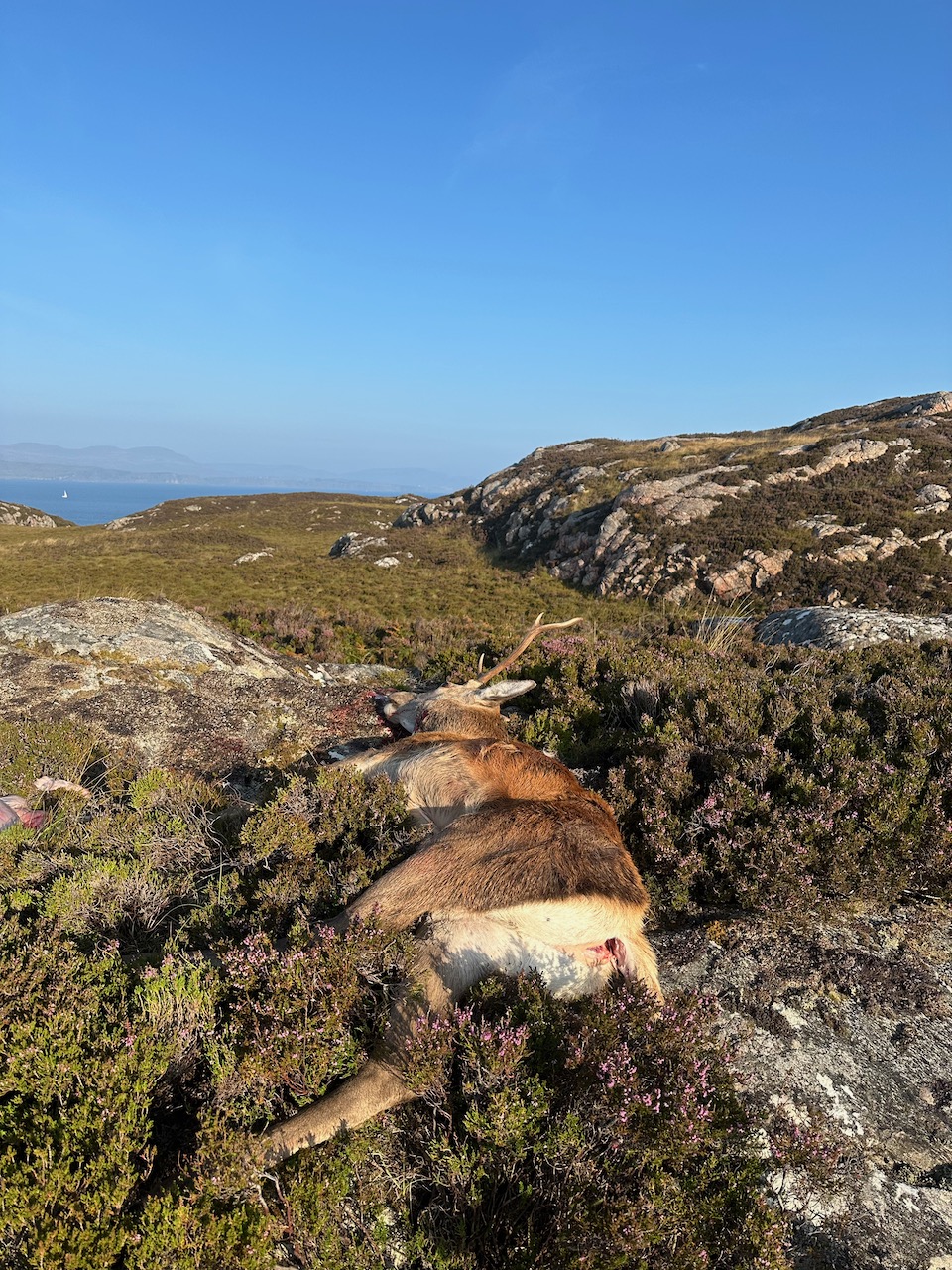
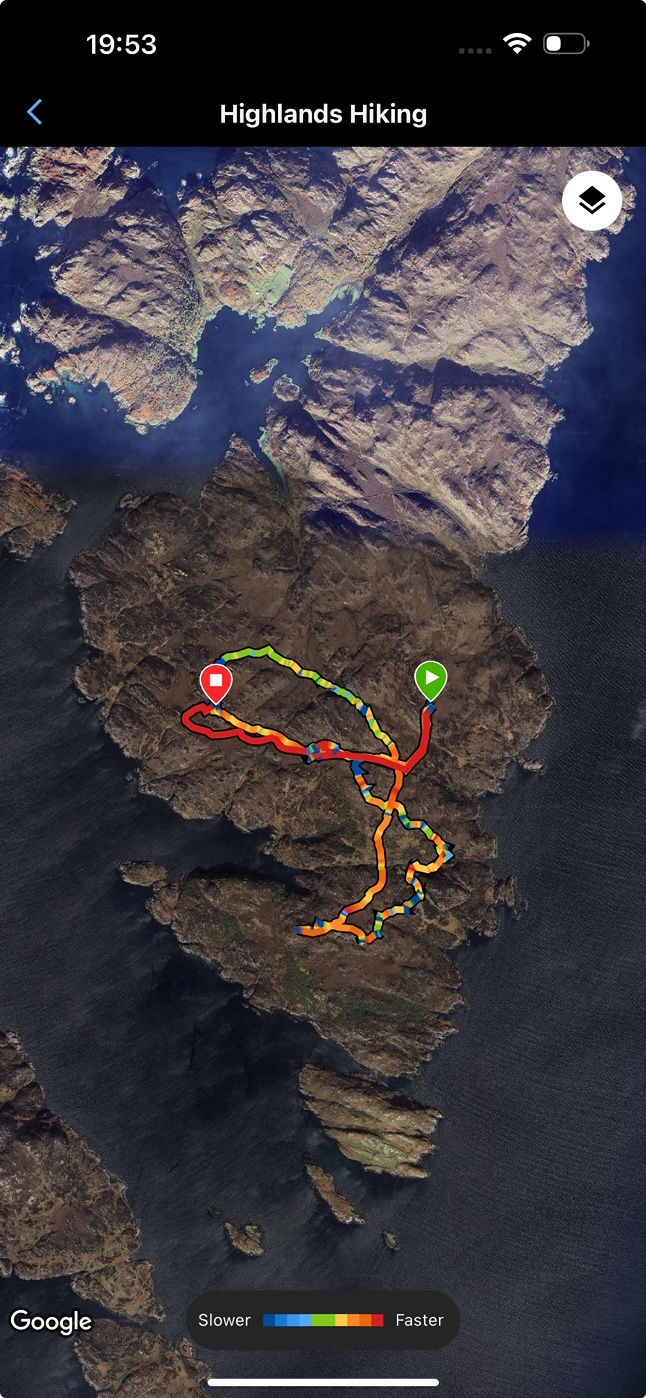
Whilst out stalking one day on one of the Islands at the South of Rona I could not believe my eyes when in the middle of the day a young mink came out of the water on the Raasay side of the Island. I had the choice make no noise and note it, continue stalking maybe be successful or shoot the Mink. Not a big target but I chose to shoot the Mink.
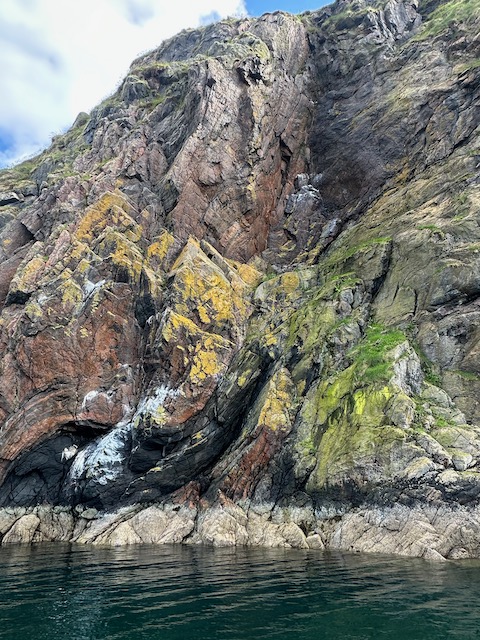
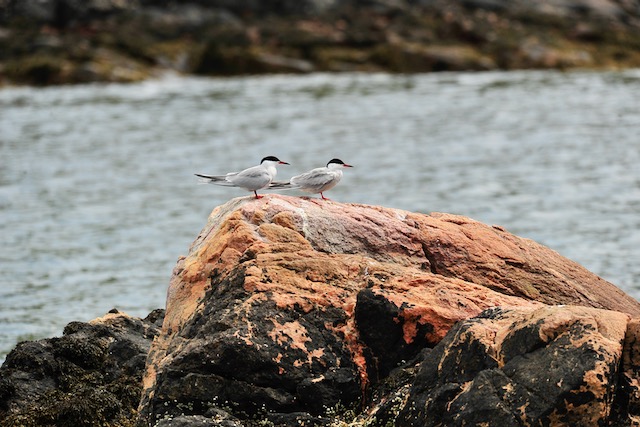
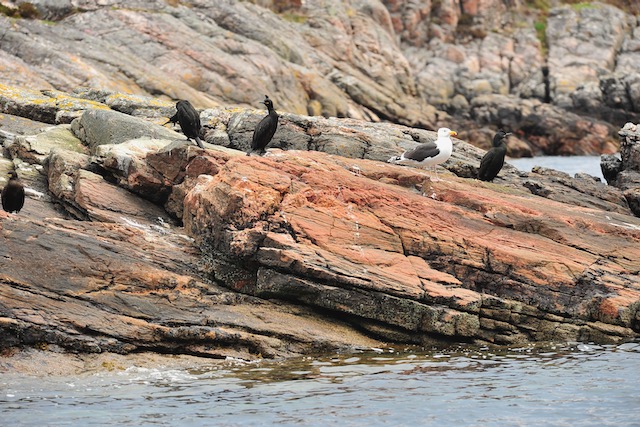
We had a very vibrant Fulmar colony here at Dhu Chamas on Rona, also pockets of other species dotted around, Terns, Common Gulls and Black Backs of course. Over my time here the Dhu Chamas colonies disappeared. I guess having watched Black Back Gulls, Ravens, Hoodie Crows and Skuas feed heartily on these colonies for years their demise was a certainty, but add Mink to the mix and there is no question, Rona like all other areas is suffering with the weight of predators.
Add to that the fishing of Sand Eels and no wonder we have not got the numbers of Sea Birds that we ‘used’ to have, even in my Rona lifetime. It is shocking from the link above that even when numbers of Sand eels caught a decade ago suggested that something was wrong as the catch was less than half the traditional catch, they kept on fishing. Shocking.
I will never forget the year that the young gulls (I have a picture somewhere) numbering up to 100 came off the moor and made it to the waters edge waiting for their parents to feed them but unbeknown to them they had more or less been abandoned. They were by the water looking at the sea, naturally knowing the food should be there but it was not. It had been overfished in my opinion and the eels did not turn up. No different this year with my first showing of eels only yesterday whilst coming back from Portree. Maybe if the RSPB did more campaigning on this front instead of being obsessed with Grouse Moors and the shooting fraternity they would get my vote.
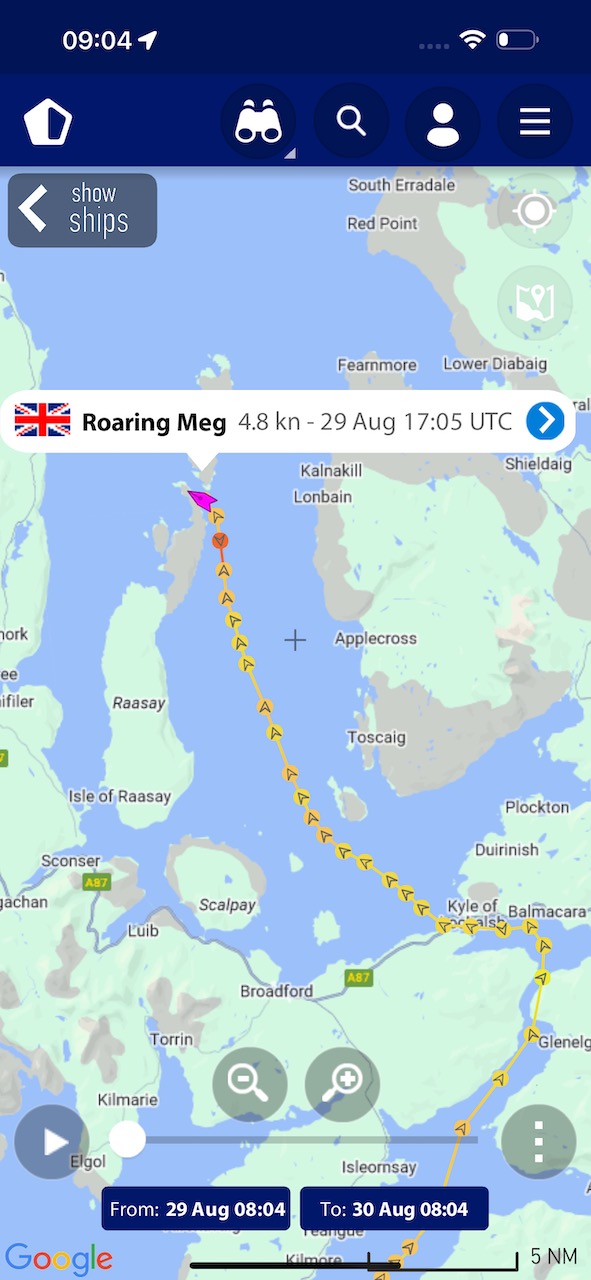
How did the Mink get here, they swam here from Raasay. The same as they swam to Raasay From Skye, perhaps they crossed the Skye Bridge (Pine Marten have been found dead on the Bridge!!) but I would guess they were on Skye long before the Bridge opened.
They were most likely on Rona before I got here.














































 isleofronalog